Choosing an offshore software partner can give your business access to specialised talent, greater development capacity, and a more flexible way to build digital products. But choosing based on cost alone can quickly create problems.
Poor communication, inconsistent code quality, unclear ownership, missed deadlines, and limited visibility can turn what looked like a cost-saving decision into an expensive recovery project.
The right offshore partner should operate as an extension of your team rather than simply completing assigned development tasks. So, how do you evaluate one before committing? Here are the areas that matter most.
1. Start With Relevant Technical Experience
A long list of technologies on a website doesn't necessarily indicate strong technical capability. Look for experience that is relevant to what you're actually building.
For example, if you're developing a B2B SaaS platform, experience building scalable web applications, architectural decisions, APIs, integrations, authentication systems, and cloud infrastructure may matter more than experience across dozens of unrelated technologies.
Ask potential partners:
-
Have you built similar products?
-
What technologies would you recommend for this project?
-
How do you approach architecture decisions?
-
How do you handle scalability and performance?
-
Who makes technical decisions during development?
Strong partners should be able to explain not only what they can build, but why they would build it a particular way.
2. Look Beyond the Portfolio
A polished portfolio shows what a company has delivered. It doesn't always show how the project was delivered.
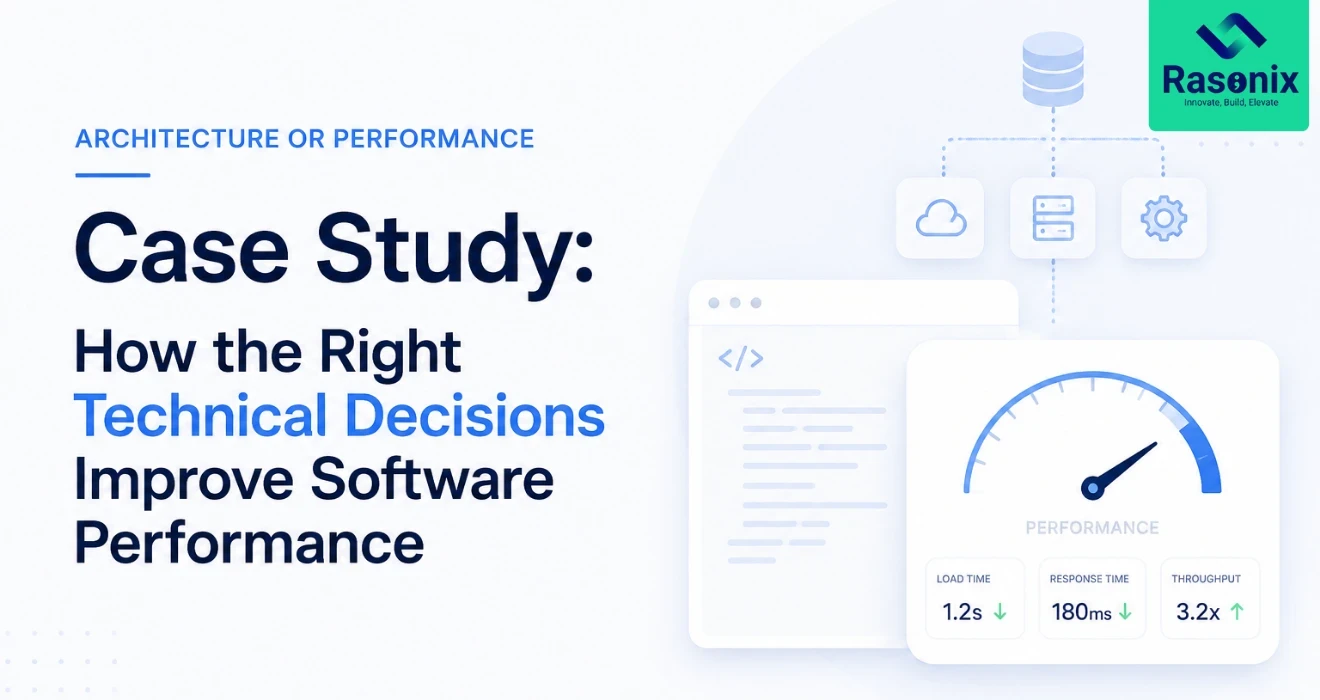
Case studies can provide more useful information.
Look for evidence of:
- The original problem - What challenge was the client trying to solve?
- The proposed solution - How did the engineering team approach it?
- Technical decisions - What architecture, integrations, technologies, or infrastructure were involved?
- Development challenges - What unexpected problems occurred and how were they handled?
- Results - What changed after the product was launched?
A credible case study should demonstrate the thinking behind the work, not just show attractive screenshots.
3. Understand Who Will Actually Build Your Product
One of the most important questions is also one of the easiest to overlook: Who will actually work on your project?
The senior people involved during sales conversations aren't necessarily the people who will be writing your code. Ask about the proposed team structure and offshore product engineering team.
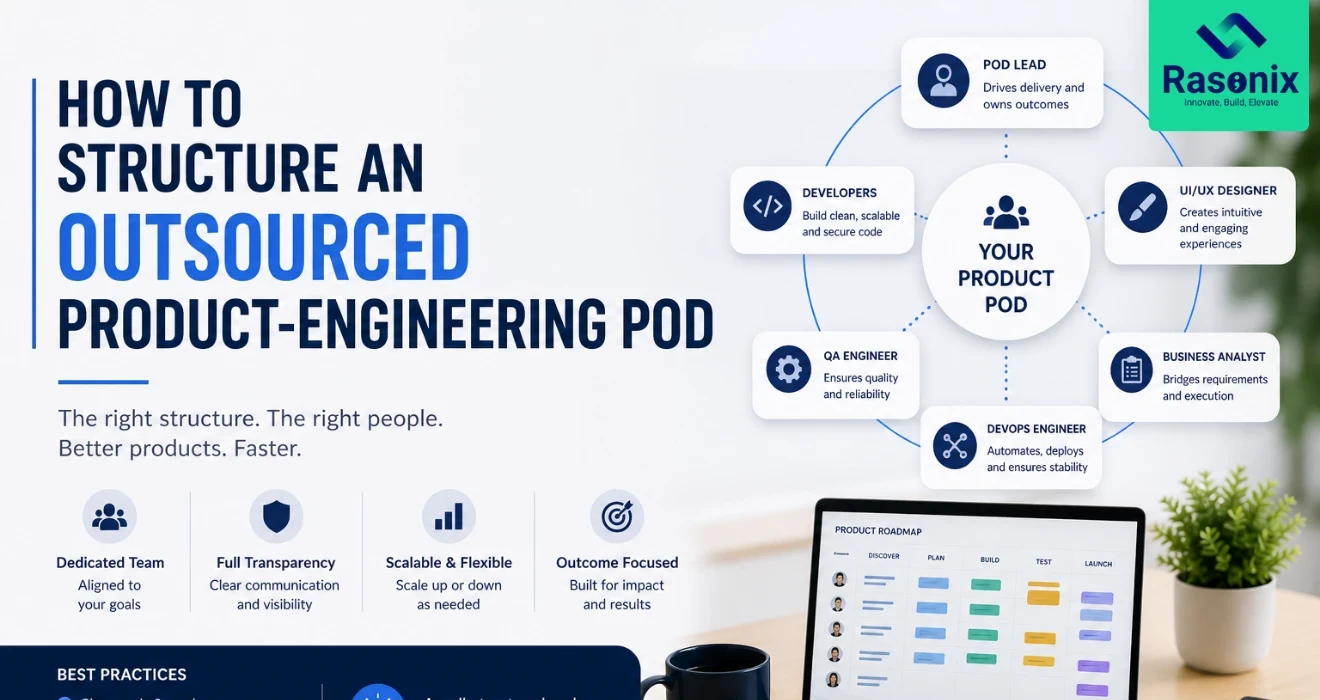
Depending on your project, an offshore product-engineering team might include:
-
Technical Lead
-
Software Developers
-
UI/UX Designer
-
QA Engineer
-
DevOps Engineer
-
Business Analyst or Product Manager
You should also understand the seniority of the engineers assigned to the project and whether team members are dedicated or shared across multiple clients.
The goal is to know what you're actually paying for before development begins.
4. Evaluate Communication Before You Evaluate Pricing
Distance itself isn't usually the biggest problem with offshore development. Poor communication is.
Pay attention to how the company communicates during the sales and discovery process.
- Do they ask detailed questions?
- Do they challenge unclear requirements?Do they explain technical topics clearly?
- Do they respond within reasonable timeframes?
- Do they document important decisions?
- Early communication often gives you a preview of what working together will feel like.
A strong offshore software partner should also establish clear communication channels, meeting schedules, escalation procedures, and response expectations.
5. Check How They Handle Time-Zone Differences
Offshore development often means working across different time zones.
That can be an advantage when structured correctly. Your offshore team can continue development while your internal team is offline, creating an extended delivery window.
But it requires coordination. Ask how much working-hour overlap you'll have and when important discussions take place.
There should be enough overlap for:
-
Stand-ups
-
Technical discussions
-
Requirement clarification
-
Sprint planning
-
Product demos
-
Urgent issue resolution
You don't necessarily need complete working-hour overlap. You need a predictable communication system.
6. Understand Their Development Process
"We work Agile" isn't enough information.
Ask what the development process actually looks like.
A structured engagement may include:
Discovery → Planning → Design → Engineering → Testing → Release → Optimisation
During development, you should understand how work moves from requirements to production.
Ask about:
-
Sprint length
-
Backlog management
-
Code reviews
-
QA processes
-
Product demonstrations
-
Deployment procedures
-
Documentation
-
Change requests
-
Progress reporting
A mature process gives you visibility into the project before problems become expensive.
7. Ask How You Will Track Progress
You shouldn't have to wait until the end of the month to find out whether your project is on track.
Look for an offshore partner that provides regular visibility.
This might include access to:
-
Project management boards
-
Sprint backlogs
-
Source-code repositories
-
Design files
-
Technical documentation
-
QA reports
-
Staging environments
-
Weekly progress updates
Regular demos are particularly valuable.
A written report might say a feature is "90% complete."
A working demonstration shows you what has actually been built.
8. Review Their Approach to Code Quality
Software quality isn't just about whether a feature works today. The code also needs to remain understandable, maintainable, secure, and scalable as the product grows.
Ask how the team handles:
-
Coding standards
-
Peer reviews
-
Automated testing
-
Manual QA
-
Version control
-
Technical documentation
-
Performance testing
-
Technical debt
-
Architecture reviews
You can also ask whether another technical team could reasonably take over the codebase later. A good partner shouldn't create unnecessary dependency on their own developers.
9. Evaluate Their QA and Testing Process
Testing shouldn't begin two days before launch.
Quality assurance should be integrated throughout development.
Ask which types of testing are included in the engagement.
Depending on the application, this could involve:
-
Functional testing
-
Regression testing
-
API testing
-
Integration testing
-
Cross-browser testing
-
Device testing
-
Automated testing
-
Performance testing
You should also understand how bugs are prioritised, documented, fixed, and retested.
A defined QA process significantly reduces the risk of discovering critical problems after release.
10. Check Security and IP Ownership
Security and ownership need to be clear before development starts.
Your agreement should explain who owns:
-
Source code
-
Designs
-
Documentation
-
Databases
-
Infrastructure configurations
-
Product intellectual property
Also ask how development access and sensitive information are protected.
Depending on your product and industry, relevant practices may include role-based access, secure credential management, encrypted communication, code repository controls, backup procedures, and security testing.
For regulated or sensitive applications, additional compliance requirements may also need to be evaluated.
11. Understand the Pricing Model
Offshore software development can be structured in several ways.
Common models include:
- Fixed-price projects - Suitable when requirements and scope are clearly defined.
- Time and materials - Useful when requirements are expected to evolve.
- Dedicated engineering teams - Suitable for ongoing product development where continuous engineering capacity is required.
- Don't compare providers based solely on hourly rates.
A cheaper development rate isn't cheaper if poor engineering creates rework, technical debt, delays, or production issues.
Evaluate the total value and delivery capability, not simply the cost per developer.
12. Ask What Happens When Something Goes Wrong
Every meaningful software project encounters unexpected problems.
- Requirements change.
- Integrations behave differently than expected.
- Technical limitations appear.
- Priorities shift.
- Project delays.
The important question isn't whether problems will happen. It's how the partner responds when they do.
Ask:
-
How are delivery risks communicated?
-
What happens if a milestone slips?
-
How are scope changes handled?
-
Who escalates technical problems?
-
How are production incidents managed?
A reliable partner should surface problems early rather than hiding them until a deadline is missed.
13. Check References and Client Relationships
Before entering a significant engagement, ask for references or evidence of long-term client relationships.
When possible, find out:
-
How reliable was the team?
-
Were estimates realistic?
-
How well did they communicate?
-
How did they respond to problems?
-
Was the code maintainable?
-
Did the project remain within reasonable budget expectations?
-
Would the client work with them again?
Long-term partnerships can be particularly meaningful because they suggest the relationship continues beyond a single successful delivery.
A Practical Offshore Software Partner Checklist
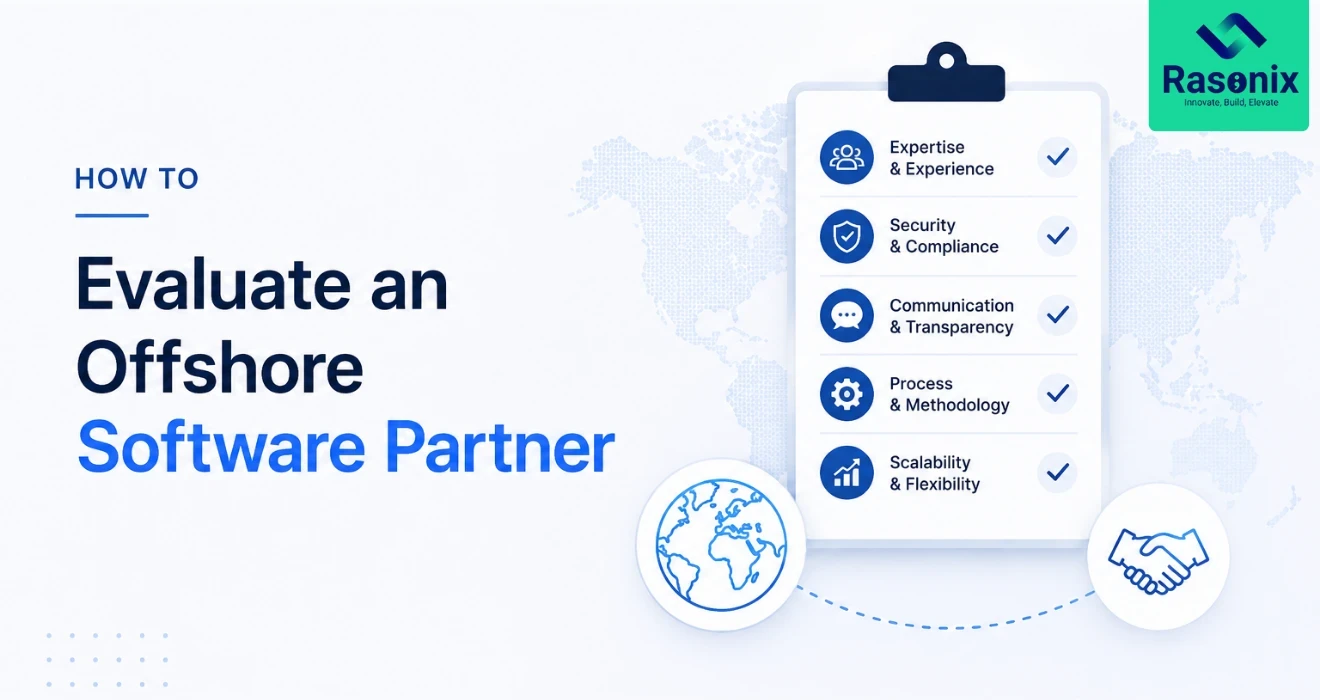
Before selecting a partner, evaluate whether they can demonstrate:
-
Relevant technical and industry experience
-
Strong case studies and previous work
-
Clear engineering team structure
-
Senior technical involvement
-
Reliable communication
-
Suitable time-zone overlap
-
Transparent project management
-
Regular demos and progress reporting
-
Defined code review standards
-
Structured QA and testing
-
Security practices
-
Clear IP and source-code ownership
-
Appropriate pricing model
-
Risk and escalation procedures
-
Post-launch support
If several of these areas remain unclear before signing the contract, they are unlikely to become clearer after development starts.
Red Flags to Watch For
Be cautious when a potential offshore partner:
-
Provides an estimate without understanding the requirements
-
Competes almost entirely on price
-
Cannot explain who will work on the project
-
Avoids giving access to repositories or project tools
-
Has no defined QA process
-
Promises unrealistic delivery timelines
-
Provides vague answers about security or IP ownership
-
Rarely challenges assumptions or asks technical questions
-
Cannot explain how progress will be measured
-
Has no clear process for handling delays or scope changes
One red flag doesn't necessarily mean you should walk away.
Several together should make you investigate further.
Final Thoughts
Evaluating an offshore software partner isn't simply about finding developers at a lower cost. You're choosing the people who may influence your product architecture, code quality, release reliability, security, and ability to scale.
The strongest offshore partnerships combine technical expertise, transparent communication, structured delivery, clear ownership, and commercial flexibility.
Before comparing proposals, ask yourself:
Would I trust this team to make good decisions when the project doesn't go exactly according to plan?
If the answer is yes, and their processes, technical capability, and previous work support that confidence, you may have found more than an outsourcing vendor.
You may have found a long-term product-engineering partner.




 Subscribe Now